Contents (12 sections)
Ensuring safety in fan zones, especially during major events like football matches, is a pressing concern. As the number of attendees in these zones increases, so does the potential for security challenges. But what exactly are "fan zone security measures"? Essentially, these are protocols and technologies put in place to maintain order and safety within fan zones. These measures range from traditional surveillance techniques to cutting-edge technological solutions.
Today, the emphasis is on more sophisticated and user-friendly security practices. With the evolution of fan zones into lively hubs of activities, security strategies have evolved accordingly. Not limited to metal detectors or bag checks, they now include biometric systems, advanced surveillance, and real-time incident management tools. These measures are crucial to create a secure and enjoyable atmosphere for fans.
Implementing Fan Zone Security Measures
Creating a safe fan zone involves a meticulous process. Step one is a thorough risk assessment, identifying potential vulnerabilities. Once these are known, a security plan tailored to the specific event and venue is crafted. This plan often involves collaboration with local authorities and emergency services to ensure comprehensive coverage.
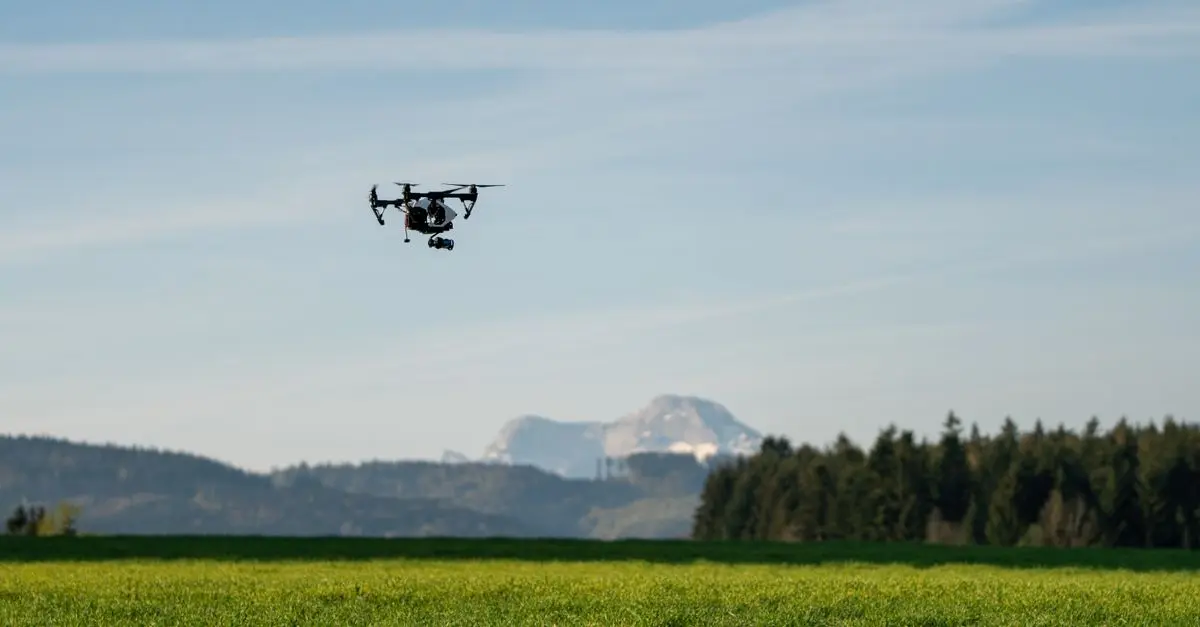
On the day of the event, staff are briefed, and technology is tested for reliability. Common measures involve strategic placement of CCTV cameras, use of drones for aerial surveillance, and deployment of security personnel throughout the venue. Biometric systems for entry help manage crowd control efficiently, minimising queues and enhancing the fan experience.
Training is key. Staff must be adept at using technology and managing the crowd, ensuring protocols are followed seamlessly. For instance, teams must be equipped with real-time communication devices to report any anomalies instantly.
Comparative Analysis of Security Measures
| Security Feature | Traditional Systems | Modern Innovations | Effective Integration |
|---|---|---|---|
| CCTV Surveillance | Fixed Cameras | Intelligent Drones | High Coverage Areas |
| Entry Checks | Metal Detectors | Biometric Scanners | Smooth Crowd Flow |
| Crowd Management | Security Guards | AI Monitoring | Enhanced Safety |
| Incident Response | Manual Reporting | Real-Time Alerts | Quick Resolution |
The Impact of Data on Security Operations
Data plays a pivotal role in modern fan zone security. According to Statista, the global market for security solutions in public arenas is projected to reach over £40 billion by 2026. Major events generate massive amounts of data, and analysing this data helps security teams anticipate potential issues.
Technology such as AI-driven analytics enables the prediction of fan behaviour, helping organisers prepare better. For example, patterns in ticket sales coupled with weather data might indicate the type and volume of security needed. Such predictive insights are invaluable for pre-event planning and real-time adjustments.
📺 Resource Video
📺 For further understanding: Exploring Best Practices in Event Security, a deep dive into modern techniques. Search on YouTube: "event security innovations 2026".
Frequently Asked Questions
What is the most effective fan zone security measure?
An integrated system combining traditional methods and modern technology tends to be most effective.
How do biometric systems enhance security?
They streamline entry processes, ensuring that only authorised individuals gain access, thus reducing risks.
Are drones legally permitted for event security?
Drone usage is subject to local regulations but is often employed for surveillance in large gatherings where permitted.
How do security teams respond to real-time threats?
Real-time communication devices allow for rapid incident reporting and control, ensuring swift action.
Glossary
| Term | Definition |
|---|---|
| Biometric Systems | Security systems that use biological data, like fingerprints, for identification. |
| AI Monitoring | Use of artificial intelligence to oversee and analyse security footage in real-time. |
| Incident Management | Process of identifying, assessing, and addressing security incidents as they occur. |
- [ ] Conduct a detailed risk assessment specific to the event.
- [ ] Coordinate with local authorities and emergency services.
- [ ] Ensure all staff are trained and briefed on the security plan.
- [ ] Test and verify all technological systems before the event.
- [ ] Establish real-time communication channels among security teams.
💡 Expert Opinion: According to Dr. Sarah Jenkinson, a security analyst, "The future of fan zone security lies in predictive technology. With AI advancements, we can anticipate and mitigate risks like never before."
🧠 Quiz Quickfire: What is a significant benefit of using AI in security?
- A) Reduces human error
- B) Saves on costs
- C) Faster fan entry
Answer: A) — AI automates response actions, reducing the chance of human errors.