Contents (13 sections)
Introduction
Fan zones have become a popular feature in many towns and cities throughout the UK, coinciding with major sporting events like the World Cup and European Championship. These designated areas offer fans a communal space to watch matches, engage in related activities, and celebrate their teams together. However, their impact extends beyond providing entertainment, contributing significantly to local economic dynamics. In this article, I will explore how fan zones boost local economies, drawing from various perspectives and insights.
What Are Fan Zones?
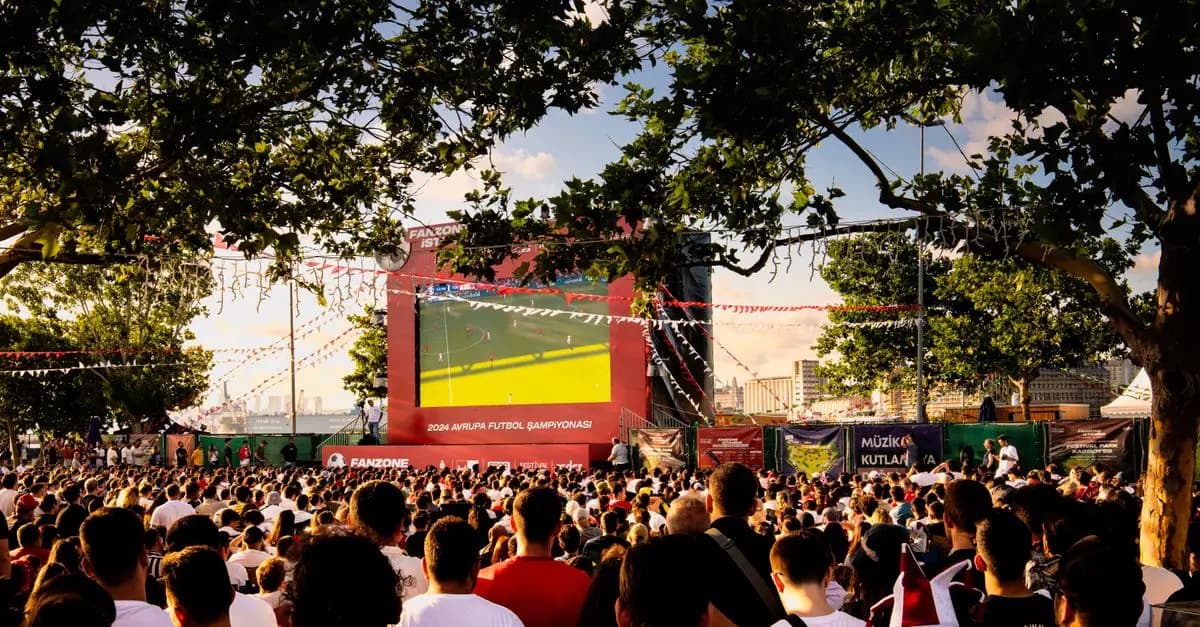
To understand the economic impact, we first need to define what fan zones are. Fan zones are designated areas, often found in city centres, where fans can gather to watch live sports events on big screens. These zones offer additional activities, food stalls, and merchandise, creating a festive atmosphere. The main aim is to enhance the fan experience, providing a venue for community gathering and engagement. They have grown in popularity due to their ability to create vibrant community scenes and enhance game-day experiences.
Economic Benefits of Fan Zones
The economic advantages of fan zones are manifold. Firstly, they attract tourists and local residents, increasing foot traffic in city centres. This boost in visitation benefits local businesses such as restaurants, hotels, and shops, enabling them to benefit from increased patronage. Secondly, fan zones provide job opportunities. Temporary positions in event management, catering, and cleaning can significantly ease local unemployment rates, even if only temporarily. Thirdly, these zones encourage spending on local services and products, stimulating economic circulation. During the World Cup 2022, fan zones in major cities like Manchester generated millions in revenue due to increased patronage. According to Visit Britain, major sports events can increase spending in local economies by up to 1.2 billion GBP annually.
Challenges and Drawbacks
Despite the numerous benefits, fan zones also pose certain challenges. Noise pollution and crowd control can become significant issues for local residents. Additionally, the temporary nature of these setups can mean short-lived economic boosts that don't translate to sustained economic growth. Event organisers should ensure robust environmental management plans to limit pollution and waste. There's also the risk that attention may divert away from smaller local businesses, requiring careful planning and community involvement to mitigate negative impacts.
Creating Successful Fan Zones
Creating effective fan zones requires meticulous planning to ensure a balance between economic benefits and social harmony. Successful fan zones leverage collaboration with local authorities, businesses, and community groups to design spaces that reflect the local culture while fulfilling economic objectives. Key steps include adequate infrastructure, safety measures, and marketing campaigns targeting both locals and tourists. Partnerships with businesses result in better service provision, providing diversified offerings to cater to various tastes.
Comparative Analysis
| Factors | Fan Zones | Local Pubs | Stadiums | Conclusion |
|---|---|---|---|---|
| Economic Impact | High | Moderate | High | Complementary roles |
| Accessibility | High | High | Moderate | Fans benefit |
| Community Spirit | High | High | Moderate | Enhanced in zones |
| Sustainability | Moderate | High | Low | Balanced approach |
As seen in the table, fan zones offer substantial economic impacts while enhancing community spirit compared to traditional venues.
Potential for Future Growth
Given their economic potential, fan zones could become even more significant post-2026. Urban planners and local councils might incorporate them into long-term entertainment models. Increasing investment in these spaces can boost regional economies, especially in regions leveraging sporting heritage. With the rising emphasis on sustainability and community engagement, fan zones could set new standards for inclusive urban entertainment.
📺 Resource Video
> 📺 For more information: The Economic Impact of Fan Zones, an in-depth analysis of fan zones and their implications for local economies. Search on YouTube: "fan zones economic impact analysis"
- What is a fan zone?
A fan zone is a designated area for fans to congregate and watch live events, offering additional entertainment and activities.
- How do fan zones benefit local economies?
Fan zones boost local economies by increasing tourism, creating jobs, and stimulating spending in local businesses.
- What are some challenges of hosting fan zones?
Noise pollution, crowd management, and potential environmental impact can be challenges for nearby residents.
- Can fan zones contribute to long-term economic growth?
While they offer immediate economic benefits, strategic planning is necessary to ensure lasting impact.
Glossary
| Term | Definition |
|---|---|
| Fan Zone | A designated public area for watching live sports events on big screens. |
| Economic Impact | The change in economic activity resulting from an event or intervention. |
| Sustainability | Practices ensuring long-term ecological balance or benefits. |
Checklist
- [ ] Understand the concept of fan zones
- [ ] Research local economic impacts from similar events
- [ ] Collaborate with local businesses
- [ ] Plan for environmental and community concerns
- [ ] Assess the viability for future sports events
🧠 Quiz rapide
> 🧠 Quiz rapide : What major advantage do fan zones have over traditional stadiums?
> - A) Lower costs
> - B) Increased accessibility
> - C) Better screen visibility
> Réponse : B — Fan zones are typically more accessible to a broader range of fans, allowing greater community involvement.