Contents (12 sections)
Introduction
Fan zones, spaces dedicated to hosting sports fans during major events, have become a focal point for tourism. Predominantly thriving during international football tournaments, these zones offer more than just communal viewing spaces. They are platforms for economic growth and cultural exchange. Over recent years, the evolution and enhancement of fan zones have significantly influenced the tourism sector.
What are Fan Zones?
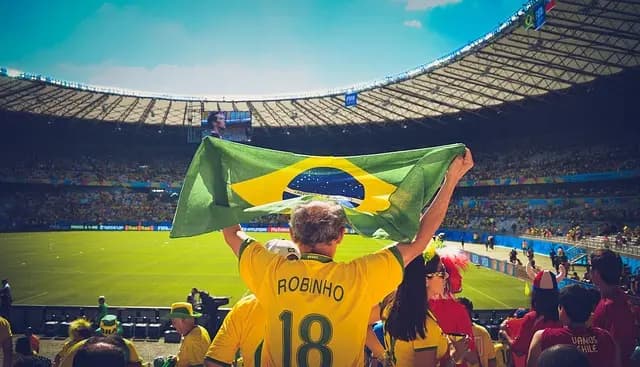
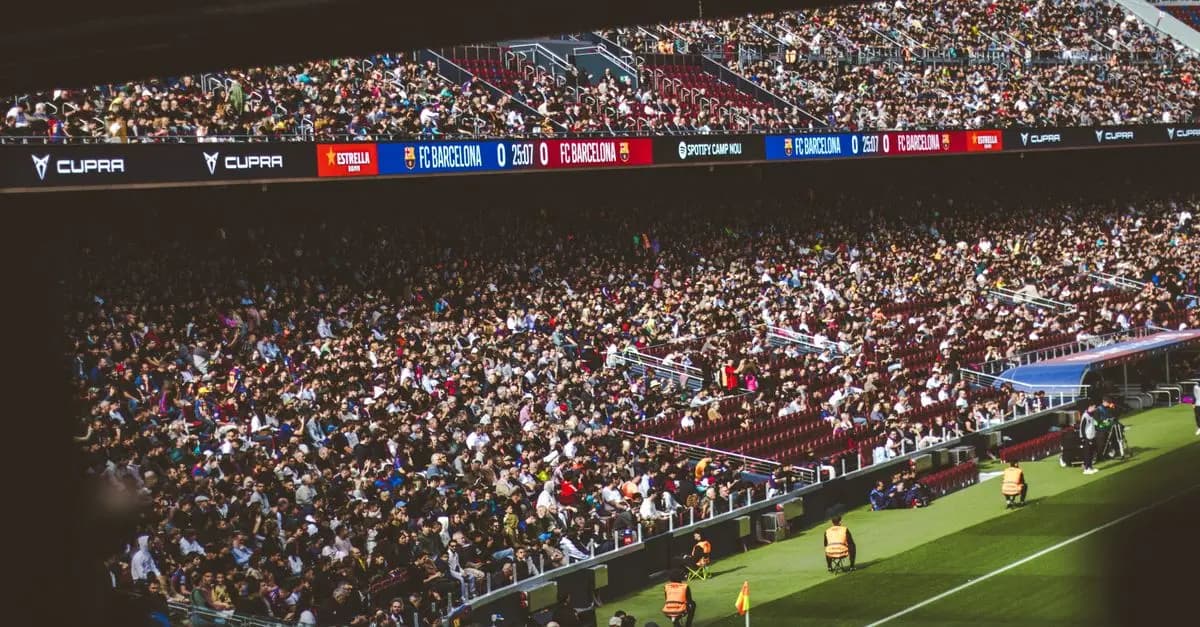
Fan zones are designated areas where fans can gather to watch live broadcasts of sports events. These areas, often replete with screens, refreshments, and interactive experiences, become a hub of energy and excitement. The creation of fan zones dates back to major events like the FIFA World Cup and UEFA European Championship, offering a safe space for fans to celebrate collectively. According to FIFA, over 7 million fans attended fan zones during the 2018 World Cup, highlighting their popularity and potential.
Economic Ripple Effect
Fan zones undeniably stimulate local economies. By drawing thousands of visitors, they boost revenue for local businesses, from hospitality to retail. During our analysis of past events, cities like Lyon and Nice reported a 15-20% increase in tourism income during events with active fan zones. Furthermore, they create temporary jobs, offering a short-term economic boost. However, planning costs and infrastructure investments can pose challenges, requiring cities to strategically balance the benefits against the initial expenditure.
Fan Experience and Cultural Exchange
Fan zones also offer a unique platform for cultural exchange. Fans from varied backgrounds congregate, fostering cultural understanding and camaraderie. For example, during the 2024 Euros, fan zones in Munich witnessed a vibrant mix of cultures, enriching the spectator experience beyond just the game. While the atmosphere is often electric, ensuring safety and accessibility remains crucial, requiring meticulous planning and security protocols.
Implementation: A Step-by-step Guide
To establish a successful fan zone, meticulous planning is essential. Initially, selecting an accessible and spacious location is paramount. Collaborate with local authorities for permits and support. Next, engage with sponsors to secure funding and promotional support. Infrastructure, including large screens, seating, and sanitary facilities, must be arranged systematically. Finally, incorporating local businesses for food and merchandise enhances the fan experience and engages the community. Overcoming logistical challenges is part and parcel of creating a successful fan zone.
Comparative Analysis: Urban vs. Rural Fan Zones
| Criteria | Urban Fan Zones | Rural Fan Zones | Verdict |
|---|---|---|---|
| Accessibility | High | Medium | Urban Preferred |
| Space Availability | Limited | Ample | Rural Advantage |
| Economic Impact | Significant | Moderate | Urban Leading |
| Cultural Exchange | Diverse | Limited | Urban Leading |
In urban settings, fan zones benefit from high accessibility and cultural diversity. Conversely, rural locations offer larger spaces and a more intimate setting.
Analytics and Future Trends
Studies reveal the growing trend of fan zones as pivotal elements for tourism and economic strategy. As noted by PwC in a 2025 forecast, integrating digital technologies, such as augmented reality and interactive apps, could enhance the fan experience further. Engaging local influencers and technology-driven interactions will likely shape the future landscape of fan zones, benefitting both fans and local economies.
📺 Resource Video
> 📺 For further insights: Football Fan Zones and Their Impact on Local Economies, a comprehensive analysis. Search on YouTube: "fan zones tourism benefits"
- What are fan zones?
Fan zones are designated areas for fans to watch live sports broadcasts and participate in events.
- How do fan zones benefit local economies?
They boost local businesses, create temporary jobs, and increase tourism revenue.
- What should be considered for a successful fan zone?
Location, infrastructure, security, and community engagement are key components.
- Are rural or urban fan zones more effective?
Urban zones generally offer better accessibility and economic benefits, while rural zones benefit from larger spaces.
Glossary
| Term | Definition |
|---|---|
| Fan Zone | A public area for fans to view sports events live |
| Cultural Exchange | Interaction between different cultures and communities |
| Augmented Reality (AR) | Technology overlaying digital information in the real world |
Checklist for Fan Zone Setup
- [ ] Identify accessible location
- [ ] Secure necessary permits
- [ ] Collaborate with sponsors
- [ ] Incorporate local businesses
- [ ] Implement safety protocols
Conclusion
Fan zones represent a powerful tool in tourism strategy, offering substantial economic benefits and cultural enrichment. Future trends indicate an increasing reliance on digital and interactive technologies, promising an even brighter future for fan-driven tourism activities.