Contents (13 sections)
Introduction
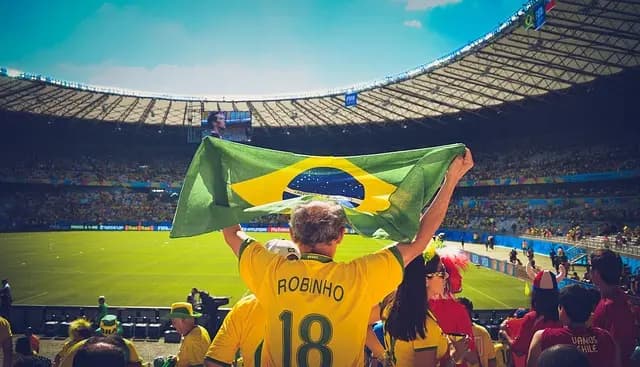
In the dynamic world of football, fan zones have become essential to the matchday experience. Creating an inviting atmosphere in these zones is crucial for fans to feel immersed in the excitement. One of the most effective ways to achieve this is through innovative lighting solutions. Let's explore how you can transform fan zones into vibrant, engaging spaces.
Step 1: Understanding Lighting Needs
Every fan zone is unique, and understanding the specific lighting needs is key. Consider the size of the area, the expected number of fans, and the types of activities planned. For instance, a large zone with a high footfall requires brighter and more strategically placed lights to ensure visibility and safety.
💡 Expert Tip: Think about the mood you want to create. Warm lighting can evoke a cosy atmosphere, while cooler tones can make a space feel polished and modern.
Step 2: Exploring Lighting Technologies
Technological advancements have introduced a variety of lighting solutions that can enhance fan zones. LED lights, known for their energy efficiency and longevity, are a popular choice. Additionally, smart lighting systems allow for dynamic control over brightness and colour.
Comparative Analysis:
| Feature | LED Lighting | Halogen Lighting | Smart Systems |
|---|---|---|---|
| Energy Efficiency | High | Low | Varies |
| Lifespan | 25,000+ hours | 2,000 hours | Varies by system |
| Initial Cost | Moderate | Low | High |
| Control | Limited | None | Extensive |
It's important to consider sustainability in lighting design. Energy-efficient solutions reduce operational costs and environmental footprint. According to the ADEME, LED lighting can reduce energy consumption by up to 80% compared to traditional options.
📺 For More: Watch [Smart Lighting for Events] on YouTube for insights into energy-efficient setups.
Step 4: Ensuring Safety and Compliance
Safety should be a top priority. Ensure all lighting installations comply with local regulations and standards. Properly lit emergency exits and pathways are essential.
🧠 Quiz rapide: What is the typical lifespan of LED lights?
- A) 5,000 hours
- B) 10,000 hours
- C) 25,000+ hours
Réponse : C — LED lights typically last over 25,000 hours.
Step 5: Enhancing Atmosphere with Colour
Colour psychology plays a significant role in creating a captivating environment. Use different hues to evoke specific emotions; for example, blue for calmness or red for energy. Research from the INSEE suggests that colour can increase brand recognition by up to 80%.
Step 6: Incorporating Interactive Elements
Engage fans by integrating interactive lighting. Consider using touch-responsive or sound-activated lights. Interactive lighting systems can provide a memorable experience and encourage social media sharing.
Step 7: Maintenance and Upgrades
Regular maintenance ensures lighting systems operate optimally. Plan for periodic checks and updates to incorporate new technologies.
📺 Resource Video
📺 To delve deeper: Watch [Innovative Lighting Tricks for Stadiums] on YouTube for creative ideas.
Checklist Before Installation
- [ ] Assess the lighting needs and area size
- [ ] Choose energy-efficient technologies
- [ ] Ensure compliance with safety standards
- [ ] Plan for maintenance and upgrades
- [ ] Incorporate interactive features for enhanced engagement
Glossary
| Term | Definition |
|---|---|
| LED | Light Emitting Diode, an energy-efficient lighting solution. |
| Smart Lighting | Lighting systems with automation and control capabilities. |
| Colour Psychology | Study of how colours affect mood and behaviour. |
Innovative lighting solutions are a transformative element in creating engaging fan zones. By understanding lighting needs, integrating advanced technologies, and prioritizing energy efficiency and aesthetics, one can significantly enhance fan experiences.
- What are some benefits of LED lighting in fan zones?
LED lighting offers energy efficiency, longevity, and reduced maintenance costs.
- How does interactive lighting enhance fan zones?
It engages fans and creates a memorable and shareable experience.
- Why is colour important in lighting design?
Different colours can evoke specific emotions and atmospheres.
- What should be considered for lighting maintenance?
Regular checks, updates, and ensuring compliance with safety standards are crucial.