Contents (18 sections)
Introduction
As the year 2026 unfolds, football fan zones are evolving into vibrant hubs of innovation and sustainability. These spaces are no longer just about viewing matches; they offer immersive experiences that engage and captivate fans of all ages.
What are Fan Zones and Why Do They Matter?
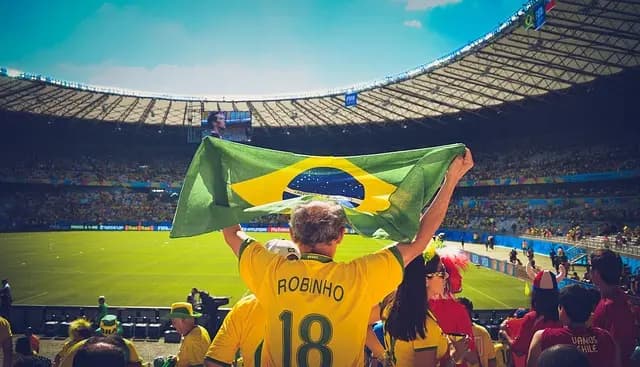
Fan zones are designated areas where football enthusiasts gather to celebrate matches and engage in various activities. In 2026, these zones have taken on new significance due to their ability to enhance fan experiences and foster a sense of community. They serve as cultural and social hubs, attracting fans worldwide. As more people embrace football, the design of fan zones plays a crucial role in creating memorable experiences.
Key Trends in Fan Zone Design
1. Sustainability as a Core Principle
In 2026, eco-conscious design is at the forefront of fan zone creation. From utilising renewable energy sources to incorporating green spaces, these zones are expected to reflect a commitment to sustainability. For instance, solar panels and wind turbines supply energy for screens and lighting, reducing the carbon footprint. Research from the ADEME shows that integrating sustainable practices in public spaces can reduce energy consumption by up to 30%.
Analysis of Sustainability
Implementing sustainable practices not only benefits the environment but also attracts eco-minded visitors. Fans are increasingly drawn to venues that align with their values, which in turn, boosts attendance and engagement.
2. Interactive and Immersive Technology
As technology continues to advance, fan zones are adopting innovative tools to create interactive experiences. Augmented reality (AR) and virtual reality (VR) are becoming staple features, allowing fans to experience games from unique perspectives. For example, Man City's Etihad Fan Zone incorporates AR experiences that let fans relive historic matches.
Analysis of Technology Integration
The use of interactive technology transforms passive viewing into a dynamic encounter. It offers fans the opportunity to engage more deeply with content, creating an emotional connection that enhances loyalty.
3. Cultural Representation and Localisation
Fan zones are increasingly celebrating local culture and diversity. By representing the host city’s culture, these zones provide unique and authentic experiences. Food courts featuring local cuisine and art installations by regional artists are common sights in 2026.
Analysis of Cultural Integration
This approach not only enriches the fan experience but also supports local economies. According to VisitBritain, cultural tourism growth has led to a significant increase in fan zone visitors, enriching the area's cultural landscape.
4. Versatile Space Management
Designing flexible spaces that can be adapted for various events is a pivotal trend. Fan zones are being designed with multipurpose functionality, enabling them to host concerts, festivals, and sports events, maximising usage.
Analysis of Space Versatility
This versatility ensures fan zones remain vibrant, drawing in different crowds and generating consistent revenue. INSEE data suggests multipurpose venues see a 20% higher occupancy rate year-round.
5. Enhanced Accessibility and Inclusion
Creating an inclusive environment is paramount for modern fan zones. Enhanced accessibility features, such as wheelchair-friendly paths and sensory-friendly zones, ensure everyone can enjoy these spaces.
Analysis of Inclusion
This commitment to inclusion attracts a broader fan base. By ensuring all fans feel welcome, fan zones enhance the event's overall atmosphere and community spirit.
📺 Ressource Vidéo
> 📺 Pour aller plus loin : Exploring Fan Zone Innovations 2026, an analysis of sustainable practices and immersive technology. Recherchez sur YouTube : "fan zone innovations 2026".
Comparative Analysis of Fan Zone Elements
| Element | Sustainability | Technology | Cultural Integration | Accessibility |
|---|---|---|---|---|
| Energy Usage | Eco-friendly | Moderate | Neutral | High |
| Fan Engagement | Moderate | High | High | Moderate |
| Cost Efficiency | Variable | Variable | High | Variable |
- What technologies are prevalent in 2026 fan zones?
- Technologies like AR, VR, and eco-friendly energy sources are prevalent.
- Why is sustainability important in fan zone design?
- It reduces environmental impact and aligns with the values of eco-conscious fans.
- How do fan zones support local culture?
- By incorporating local cuisine and cultural elements, enhancing regional appeal.
- What are the benefits of multipurpose fan zones?
- They maximise usage, attract diverse crowds, and generate consistent revenue.
Glossary
| Term | Definition |
|---|---|
| Eco-conscious | A mindset focused on ecological preservation and reduced environmental impact |
| Augmented Reality (AR) | An enhanced version of the real world using digital elements |
| Inclusive Design | Design approach focused on accessibility and equal opportunity |
Checklist Before Planning a Fan Zone
- [ ] Assess sustainability measures for energy and waste
- [ ] Incorporate interactive technologies like AR/VR
- [ ] Include local cultural elements in design
- [ ] Evaluate space versatility for multi-event hosting
- [ ] Ensure accessibility features are comprehensive
🧠 Quiz rapide : What is a key benefit of sustainable fan zones?
- A) Reduced costs
- B) Increased fan loyalty
- C) More sponsorships
Réponse : B — Sustainable practices align with fan values, increasing loyalty.